Lucknow: Political temperatures in Uttar Pradesh have risen after senior leaders of the BJP-led alliance claimed that discontent within the Samajwadi Party (SP) could lead to significant political realignments in the coming months. The remarks have triggered a fresh war of words between the ruling alliance and the opposition as parties begin positioning themselves for the 2027 Uttar Pradesh Assembly elections.
Deputy Chief Minister Keshav Prasad Maurya recently suggested that several Samajwadi Party MPs were unhappy with the party’s current direction and could eventually choose a different political path. While ruling out any attempt by the BJP to engineer a split, Maurya claimed that internal dissatisfaction within the opposition camp was growing and could have political consequences in the future.

He also questioned the leadership of SP chief Akhilesh Yadav, arguing that the party lacked the momentum needed to regain power in the state. According to Maurya, the opposition faces significant challenges in presenting itself as a viable alternative to the ruling alliance.
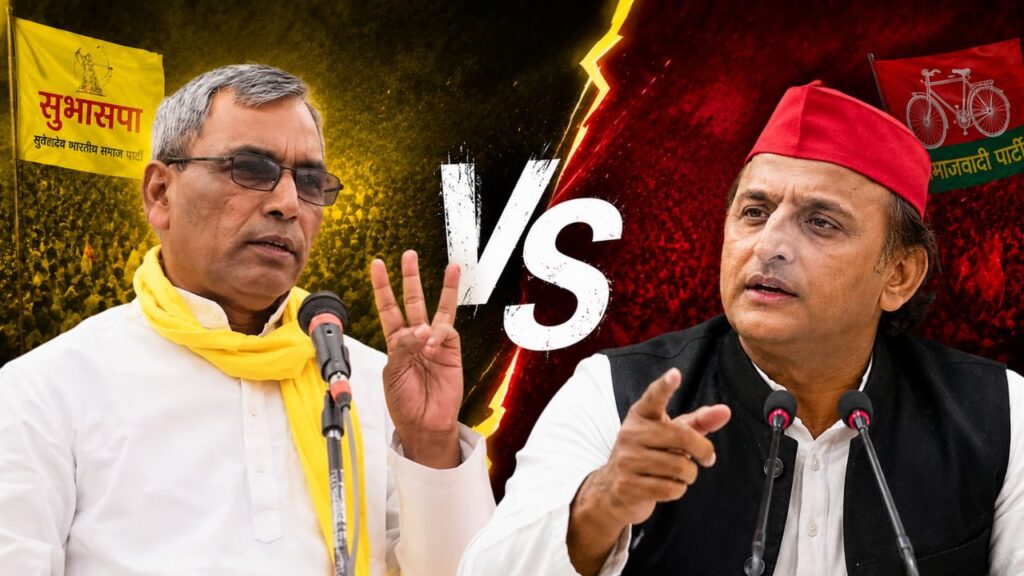
Adding fuel to the political debate, Uttar Pradesh minister and Suheldev Bharatiya Samaj Party (SBSP) president Om Prakash Rajbhar reiterated his prediction that the Samajwadi Party could witness internal divisions. Rajbhar claimed that dissatisfaction among some MPs was increasing and hinted at the possibility of a separate faction emerging within the party.
The SBSP leader also criticized Akhilesh Yadav’s style of functioning, saying greater attention should be paid to addressing concerns raised by party leaders and lawmakers. He argued that maintaining organizational unity should remain a priority as political competition intensifies ahead of future elections.

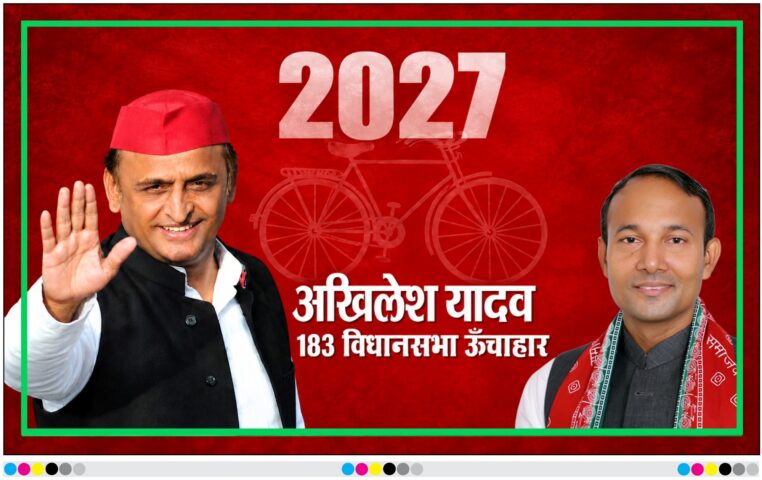
The Samajwadi Party, however, has firmly rejected these allegations. Party leaders dismissed the claims as politically motivated and aimed at creating confusion among workers and supporters. SP representatives maintained that the party remains united and focused on strengthening its organizational base across the state.
They further accused their political rivals of attempting to divert attention from governance-related issues by promoting speculation about internal divisions within the opposition.
Although no concrete evidence has emerged to support claims of an impending split, the statements by Maurya and Rajbhar have added a new dimension to Uttar Pradesh’s political discourse. With the 2027 Assembly elections still some time away, political observers expect such exchanges and speculation over alliances, defections and leadership challenges to remain a recurring feature of the state’s political landscape.












 https://www.youtube.com/watch?si=RtToJsBhYBatUrym&v=mOuYNSdhjHA&feature=youtu.be